As we are starting into our 4th year , we would like thank everyone who has supported Fruits of Sherbrooke over the past and welcome you as we continue to grow.
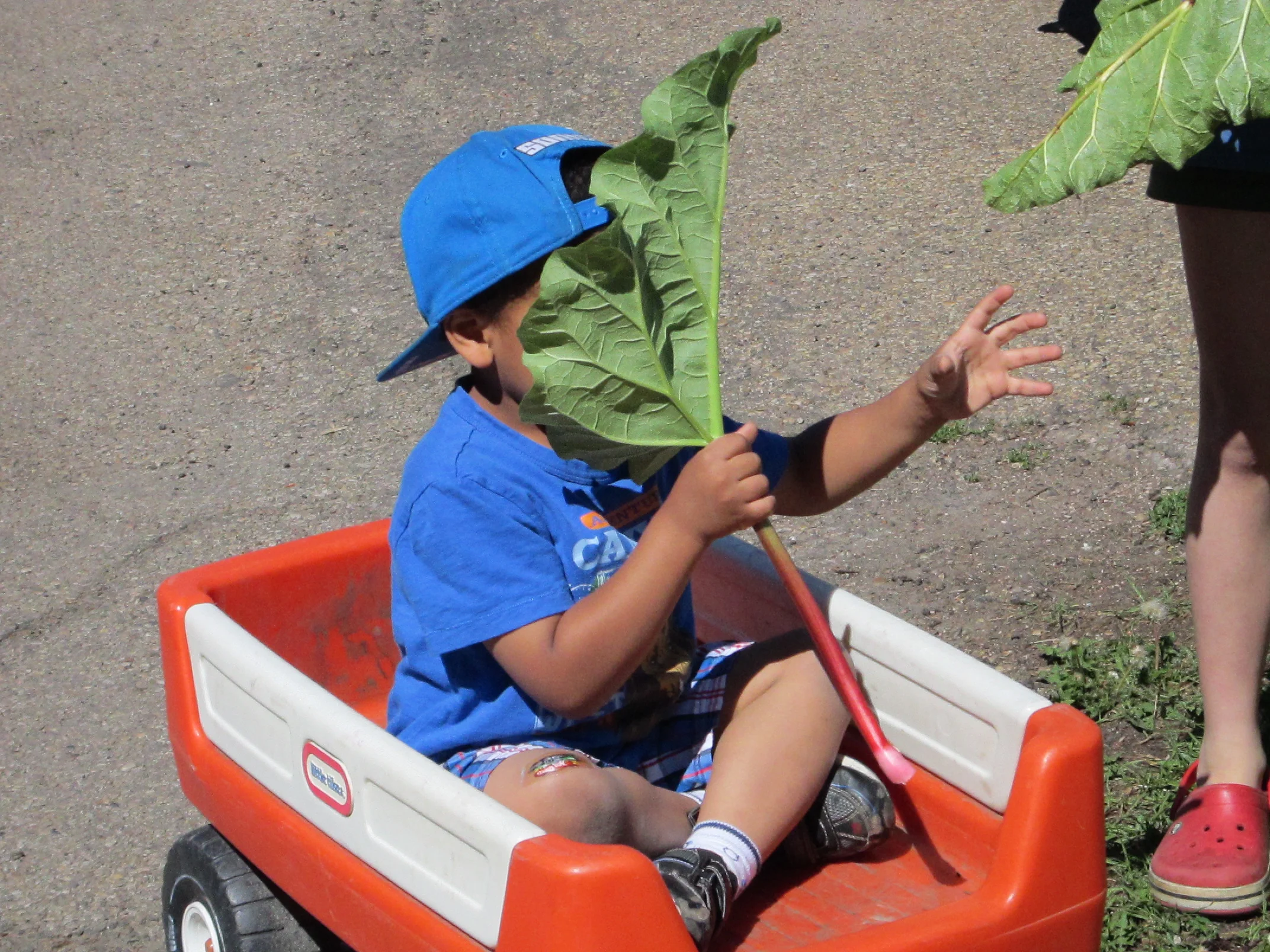
We started in our neighbourhood of Sherbrooke with the mission of using fruit that was falling to the ground as we believed it was the right thing to do, it was free and we wanted to show that good things could be made with this abandoned fruit. We walked from yard to yard and as you can see from this photo, Christina brought her grandchildren to help and the bounty was hauled home in the wagon. We proudly had a little footprint on our labels at that time as we claimed to pick within walking distance of our community league. It was an environmental effort and we made jams and applesauce as a way to use the fruit. Over the second year, we received calls from farther afield to come and pick their fruit. We were appreciative of the offering, so we went, picked and tried to leave homeowners a jar of jam in thanks. It was manageable and we were having fun. We were not making money yet but assumed it was the cost of starting up. Year three was 2013 and it all expanded. We were making lots more product, selling in more markets and thus had to gather more of this "free" fruit.
At the same time we were busy making sure that fruit, excess to our needs, was given to other small charities, non-profits, community kitchens, group homes, university food banks, schools and individuals that would use it. In the fall of 2013 we diverted over 8,000 kg apples to these places plus other produce that came our way. We partner with Winnifred Stewart Association and Chrysallis to offer job experience opportunities, we offer entry level work experience to people who volunteer in the kitchen or help with labeling. As a caring, grass-roots organization, we offer a flexible work setting that allows people with children or health issues to volunteer with us. We do offer reimbursement for travel and expenses, so it is a good starting place for many. In addition we have been planning the launch of our Cherry Stone Soup program in 2014, and this will offer preserving courses to low income participants in the city. Christina has also been busy creating networks with local animal farms asking them to pick up apples that are not suitable for human consumption and bring them to their farm animals. These are a lot of initiatives that meet our mission of having all the local abundance of fruit used for food.
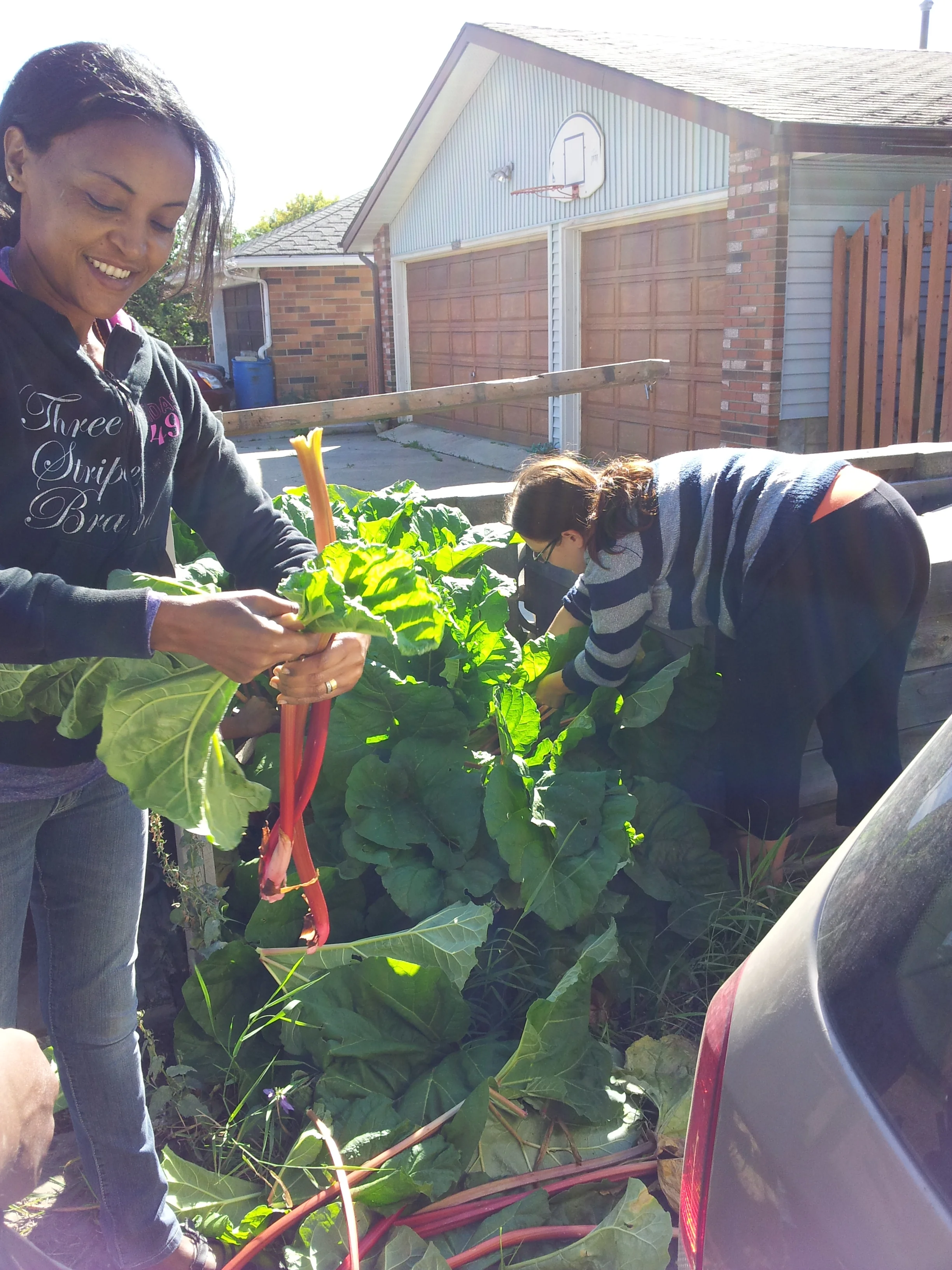
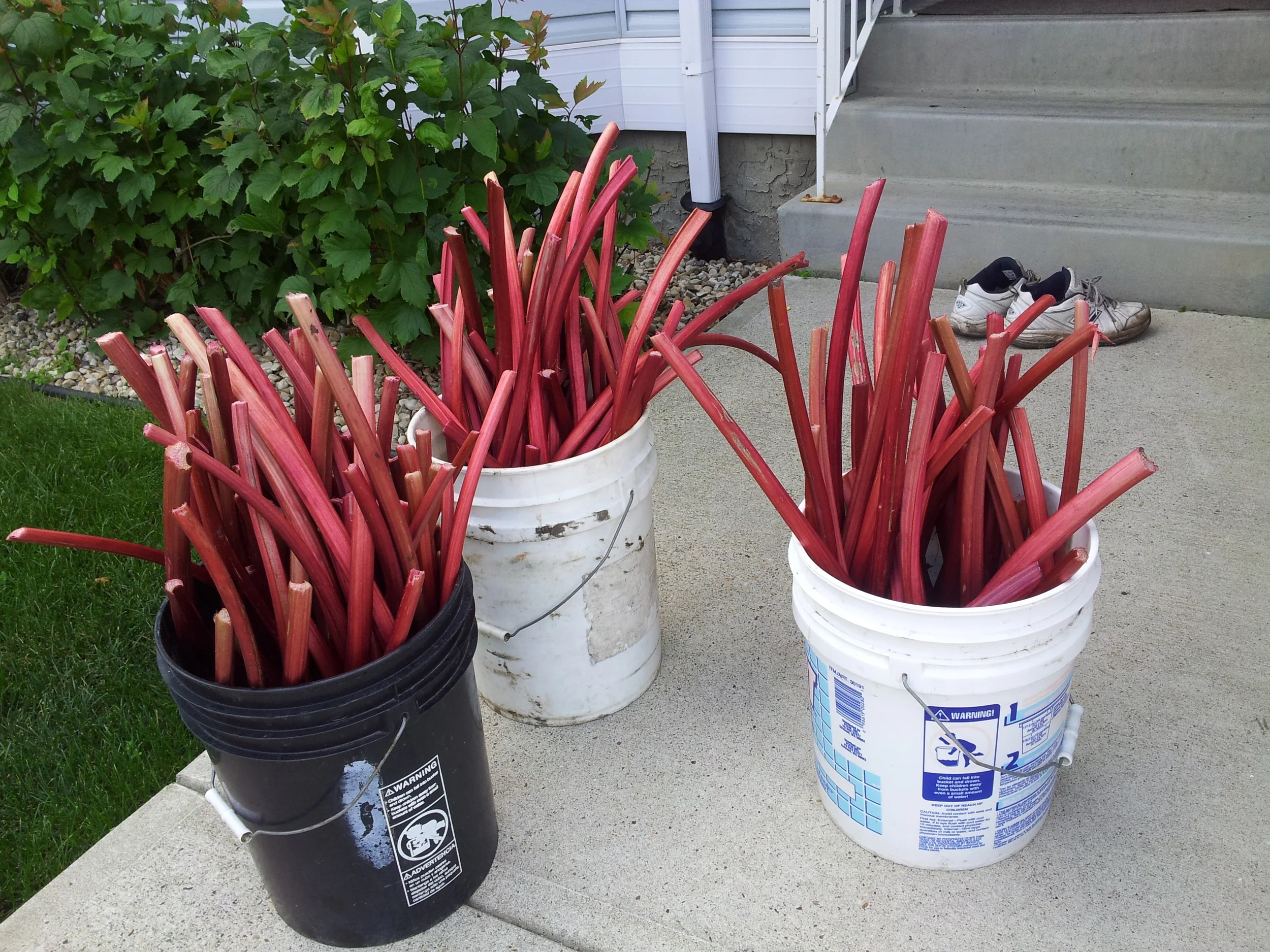
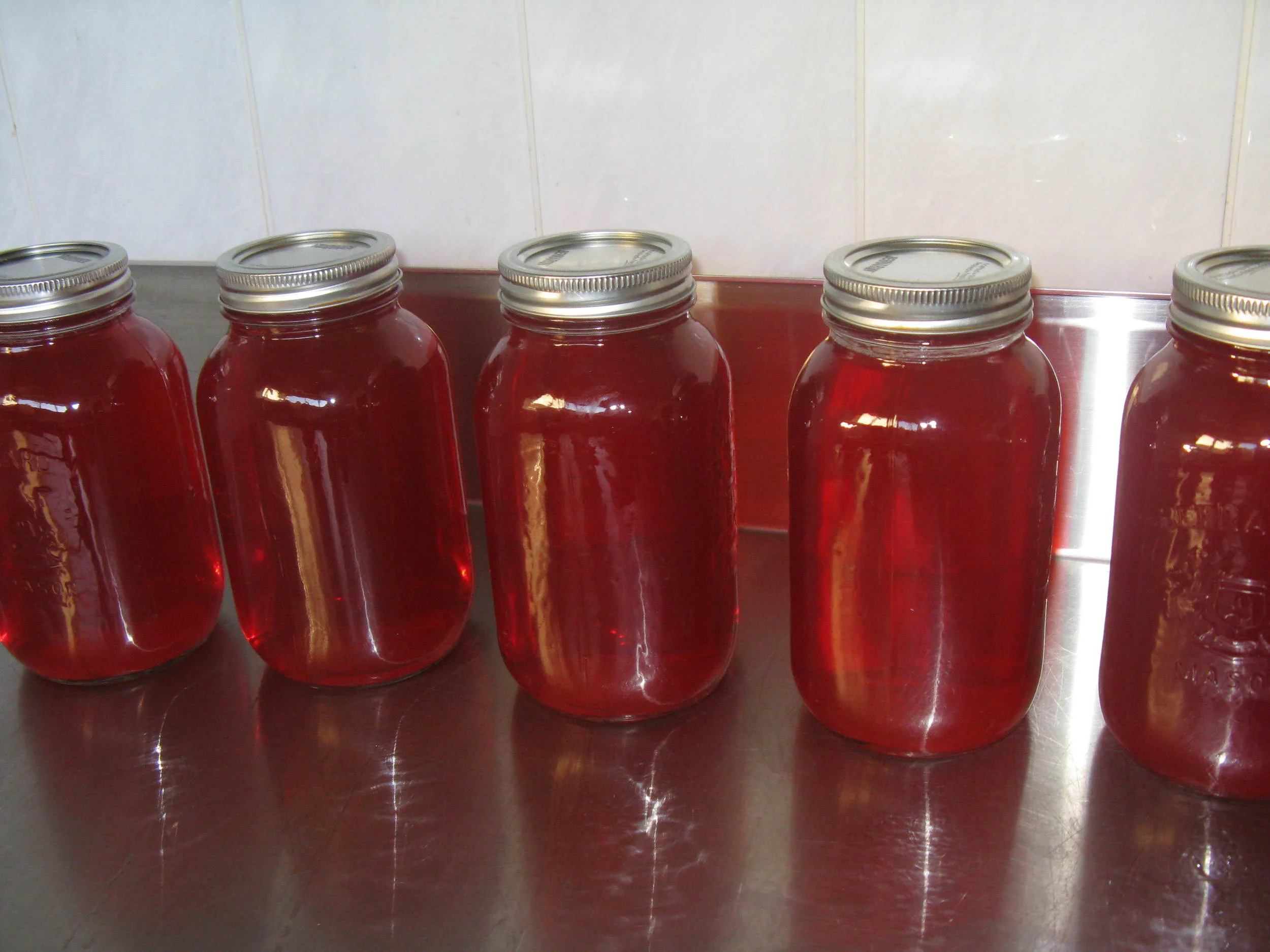
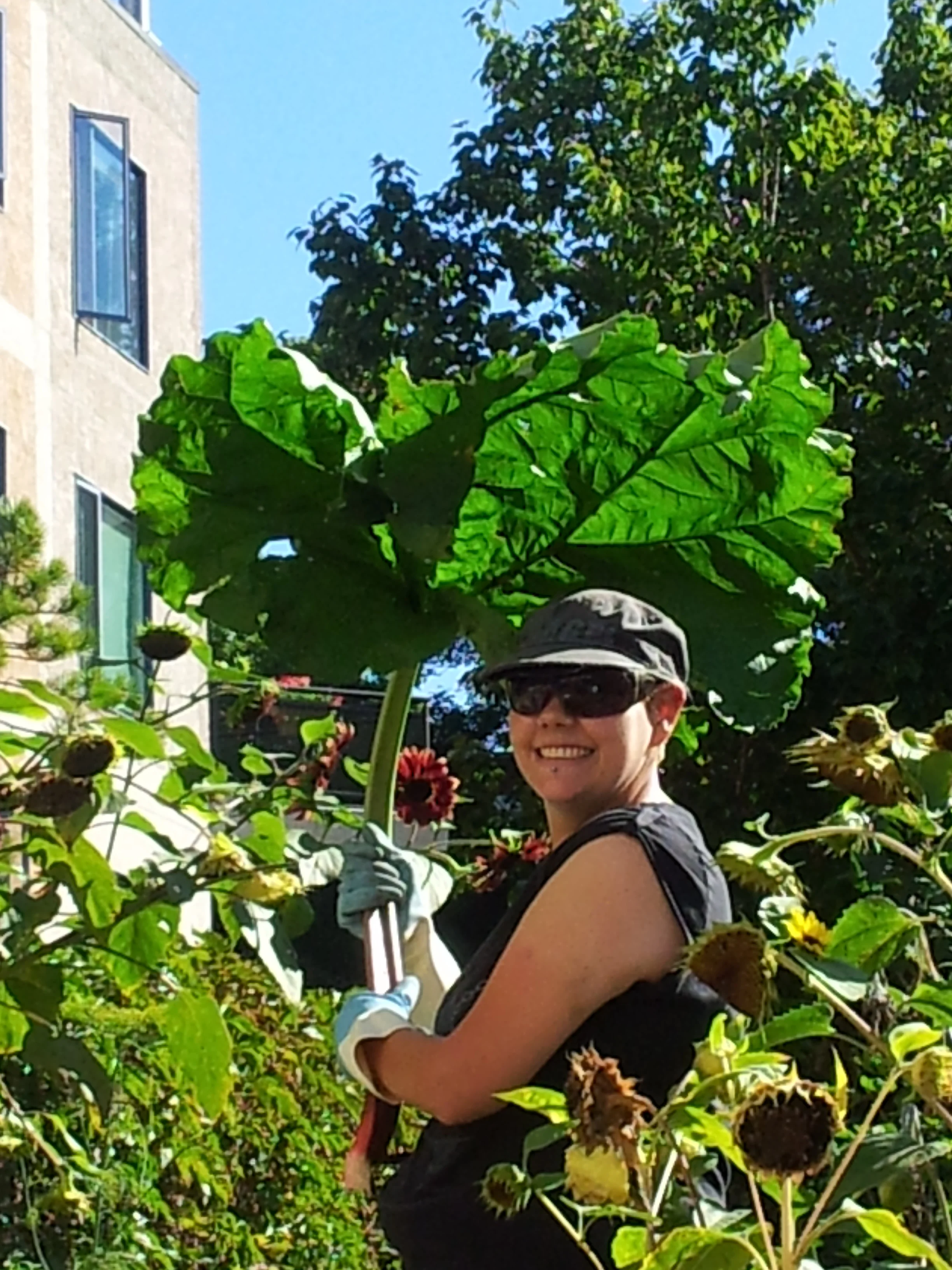
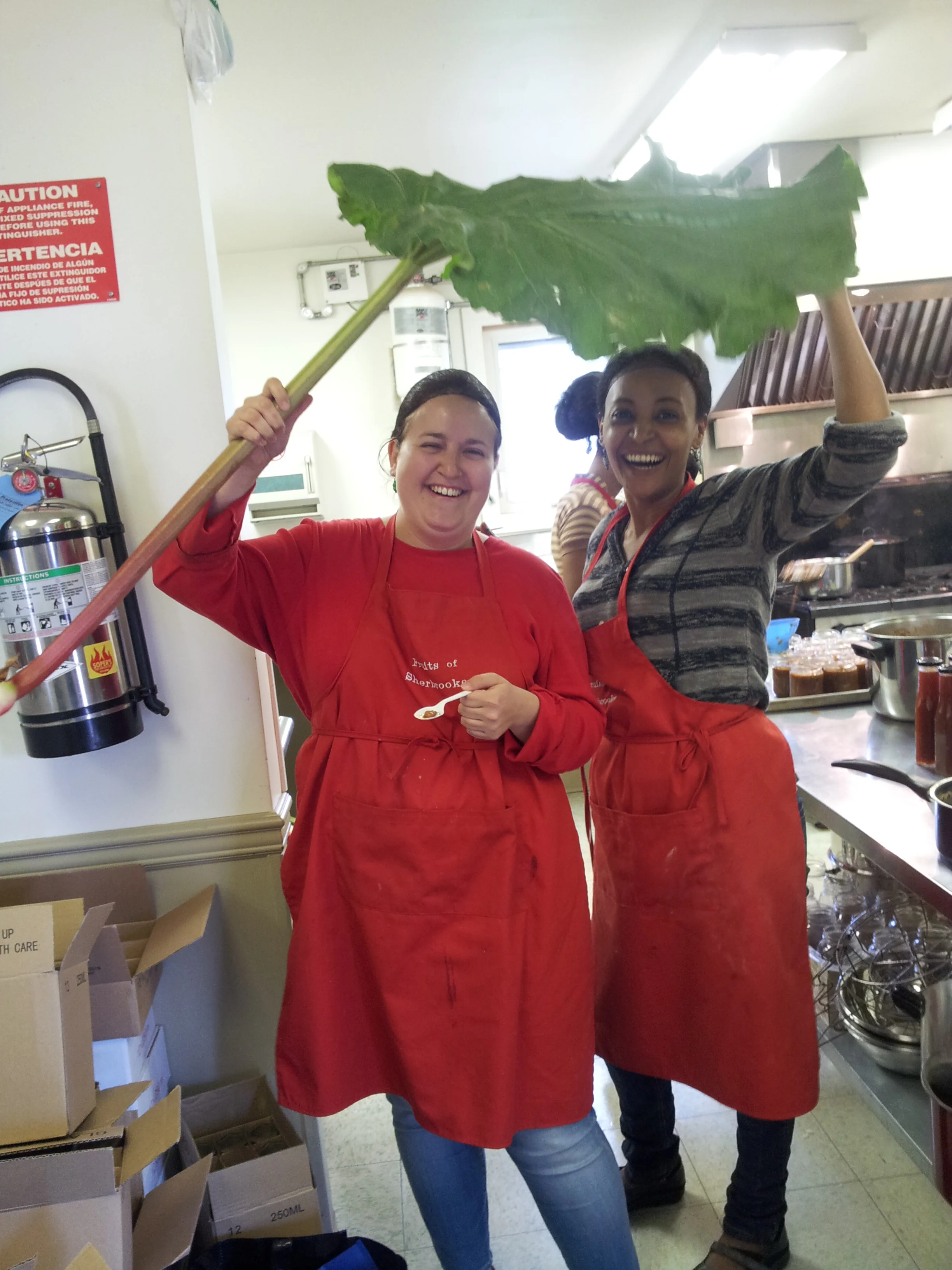
In the winter of 2013 - 2014 we have been meeting with consultants from Alberta Agriculture and one of our challenges was to actually look at the cost of our 'free' fruit. As mentioned above, we figured it was free and happily drove around picking, picking up and bringing it back to our kitchen. But as we worked it out, we found that it costs more than buying it from the store. WOW! what a surprise that was! We have no economy of scale. Take rhubarb for example. We have patches of rhubarb all around the city and we try to pick every 4 weeks. It is a lot of driving throughout the summer gathering a few bags here and there. The fantasy of having a field of rhubarb is often in our minds. Then we have to clean it up, chop it finely (nobody likes to find long fibres in their jam) and compost the leaves and trimmings. This work is all done by hand. As we gather more than we can process during the summer we have a number of freezers spread around this part of the city in people's basements, garages and a church basement. So we have to ferry the bounty into storage for winter's use. At the same time, we make lots and lots of rhubarb juice and store it in jars. This juice is added when we need liquid in our rhubarb jams and is also the base for a lot of condiments - Lemon Pepper Gin Jelly and Sweet Chili Tri Sauce for example.
You can only begin to guess how much time is spent picking local raspberries and saskatoons, climbing up ladders into cherry, pear, and apple trees, reaching around pokey branches, moving the ladders time and again and then driving back to sort, wash, chop and juice each of these fruits for use. All of this work is done before we even start to make products. We have learned that using locally rescued fruit is a good environmental choice but not a cheap choice. Then after doing all this work, we have been leaving a jar of jam in thanks. The accountants in our world, shake their heads, not only does it cost a lot of time and energy to 'rescue', then we have been adding more to the cost of the fruit collected by giving away jam! It just goes to show that we are kind-hearted environmentalists and not money smart - so far.
Has this deterred us? No.
- We know we are right in using good local fruit that would otherwise be abandoned.
- We know we make good product with a green footprint.
- We use our own fruit juice whenever liquid is required.
- Every product is 60% - 100% rescued fruit.
- The mission is correct.
- AND ....we have fun.
Got suggestions?